
Solar Tax Credits and Rebates for Mobile Homes in California
2025 Solar Savings: Tax Credits & Rebates for California Mobile Homes
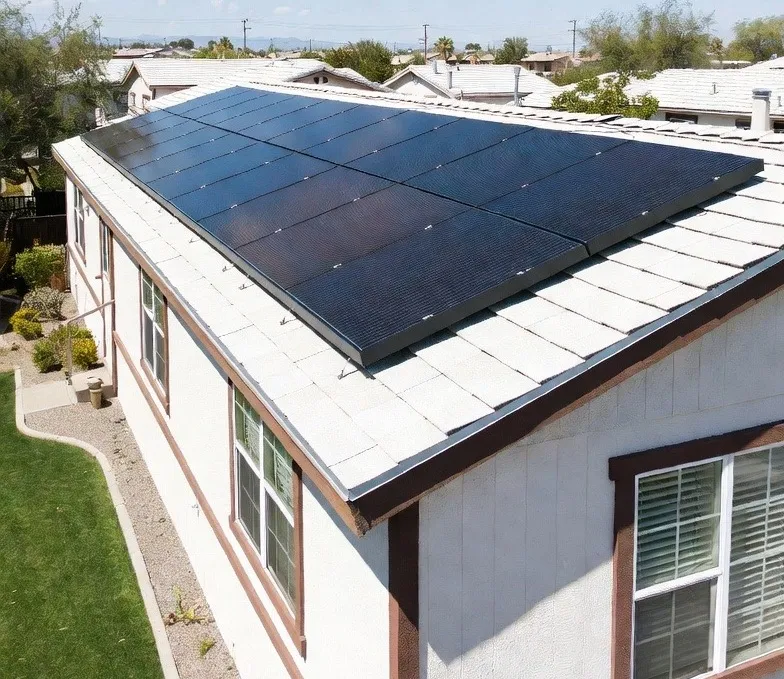
Mobile and manufactured homeowners in California have a unique opportunity in 2025 to cut energy costs and secure significant federal and state incentives when adding solar and storage to their properties. This guide explains which federal credits and state rebate programs apply to mobile homes, how net energy metering and local utility programs interact with manufactured-home installations, and what deadlines and documentation matter for claiming benefits. Many mobile home owners face confusion about eligibility, permitting under HUD/HCD rules, and how incentives change project economics; this article resolves these uncertainties with step-by-step instructions, example savings, and practical checklists. You will learn how the Investment Tax Credit (ITC) and the Residential Clean Energy Credit apply, what DAC-SASH and SGIP can provide to qualifying households, and which financing pathways can maximize return on investment. The following sections break down federal credits, state programs, local Southern California incentives, financing and ROI, key 2025 deadlines, and a clear how-to for applications and free quotes.
What Are the Federal Solar Tax Credits Available for Mobile Homes in California?
Federal incentives remain the foundation for lowering out-of-pocket costs for residential solar on mobile and manufactured homes. The primary federal mechanism is the Investment Tax Credit (ITC), which offers a percentage credit against federal income tax for qualifying installed system costs when the homeowner owns the system. Related provisions under the Inflation Reduction Act and the Residential Clean Energy Credit extend eligibility and define qualifying equipment, including solar panels, inverters, and in many cases battery storage when paired with solar. These incentives reduce net installed cost, improve payback timelines, and require documentation such as invoices and proof of ownership when claiming on tax returns. Understanding which costs qualify and the timing rules that determine “placed in service” is essential to ensure the credit applies to mobile-home installations.
This table summarizes the main federal credits and provisions relevant to mobile and manufactured homes to help compare amounts, applicability, and deadlines.
| Federal Credit or Provision | Amount / Percent | Applies to / Valid Through / Eligibility Notes |
|---|---|---|
| Investment Tax Credit (ITC) | 30% (typical rate in 2025) | Applies to eligible solar equipment and installation labor when the homeowner owns the system; must meet “placed in service” rules for tax year claimed. |
| Residential Clean Energy Credit | 30% through 2032, then steps down | Includes solar and storage eligibility rules under current federal law; deadlines and phase-outs may affect projects installed after specified dates. |
| IRA Provisions (policy context) | Programmatic changes & guidance | Inflation Reduction Act clarifies supply chain, domestic content, and bonus credit provisions that can alter credit value; taxpayers must follow current IRS guidance. |
The table highlights how the ITC provides a percentage reduction while IRA and Clean Energy Credit provisions affect eligibility and value. Proper documentation and ownership are central to claiming these credits, and installers that understand tax paperwork can streamline claims for mobile home owners.
How Does the Investment Tax Credit Benefit Mobile Home Owners?
The Investment Tax Credit reduces federal income tax liability by a percentage of the qualified system cost, directly lowering the net cost of installing solar on a mobile home. Mechanically, the credit is calculated on eligible expenditures—typically panels, inverters, balance-of-system equipment, and installation labor—so a homeowner who purchases rather than leases the system can apply the credit against tax liability in the year the system is placed in service. For example, a representative $12,000 installed system would yield a $3,600 credit at a 30% ITC rate, reducing the net federal tax obligation if the homeowner has sufficient tax liability. Mobile homes must also meet system ownership and interconnection requirements to claim the credit; leased systems or third-party owned systems transfer the credit to the lessor, not the homeowner. Understanding these ownership distinctions prevents surprises when filing taxes.
Owners should prepare invoices, proof of payment, and the system specification to support ITC claims, and consult a tax professional when needed. Clear documentation also supports applications for state rebates that often require evidence of the same eligible costs.
What Are the Key Provisions of the Inflation Reduction Act for Mobile Home Solar?
The Inflation Reduction Act (IRA) reinforced and expanded federal support for residential clean energy, creating provisions that affect credit percentages, bonus credits for domestic content or low-income projects, and explicit treatment for battery storage when paired with solar. For mobile-home projects in 2025, IRA language matters because it can enable additional credits or set conditions for bonus eligibility, but it also introduces documentation requirements tied to manufacturing origin or income-qualified status. Practically, the IRA can increase the effective credit for projects meeting certain thresholds while also requiring installers and homeowners to retain additional paperwork demonstrating compliance. Mobile and manufactured homes that qualify as low-income or located in designated areas can sometimes access higher incentive tiers or bonus credits under IRA rules.
Homeowners should track IRS updates and maintain receipts, equipment model numbers, and installer certifications to preserve eligibility for any IRA bonus provisions. Working with an installer familiar with IRA documentation reduces the administrative burden when claiming enhanced credits.
For homeowners seeking help documenting eligible costs, calculating the 30% ITC benefit, or estimating net costs, Mobile Home Power offers a free consultation and site evaluation to review ownership documentation and provide an estimate—helpful for homeowners planning to claim federal credits while keeping the focus on incentive education rather than sales.
Which California State Solar Rebates and Programs Support Mobile and Manufactured Homes?
California provides targeted programs that complement federal credits and can be particularly valuable for mobile and manufactured home owners who meet program criteria. Key state programs include DAC-SASH for qualifying households in disadvantaged communities, the Self-Generation Incentive Program (SGIP) for battery storage incentives, and the Active Solar Energy System property tax exclusion that can protect homeowners from incremental property tax increases when adding solar. Each program has specific eligibility rules around income, utility service area, or location, and application processes that often require utility coordination or installer assistance. Since mobile homes sometimes present unique permitting or HUD/HCD considerations, verifying program eligibility early in project planning avoids delays and missed opportunities.
| Program | Rebate Amount / Eligibility | How to Apply / Notes for Mobile Homes |
|---|---|---|
| DAC-SASH (Disadvantaged Communities) | Up to $3.00/watt for eligible households | Targeted at households in designated census tracts; requires income or location verification and coordination with participating installer. |
| SGIP (Battery Storage Incentives) | Up to $1,000/kWh depending on equity category | Incentives apply to battery systems paired with solar; mobile home owners must follow application windows and interconnection steps with their utility. |
| Active Solar Energy System Exclusion (Property Tax) | Excludes added solar value from property tax assessment | Exemption protects against higher property taxes; homeowners should confirm whether manufactured/mobile homes are covered under local assessor rules. |
The table clarifies how state programs differ in structure and application, and why early verification is critical for manufactured-home projects. For many homeowners, program paperwork and utility coordination are the main barriers to claiming these rebates.
What Is the DAC-SASH Program and Who Is Eligible?
The DAC-SASH program provides enhanced solar rebates to households located in designated disadvantaged communities or that meet income criteria, boosting affordability for low-income mobile home owners. Eligibility typically depends on census tract designation or household income limits, and participating utilities or program administrators maintain the current maps and income verification steps. For mobile and manufactured homes, eligibility also depends on utility territory and whether the site can accept a standalone system or requires specific metering arrangements, so verifying DAC status early matters. The rebate amount is often structured per watt and can substantially lower installed cost for common mobile-home system sizes.
A practical checklist for DAC-SASH applicants can streamline preparation:
- Confirm household address is in a designated DAC census tract.
- Gather proof of income or qualifying documentation if required.
- Provide system cost estimates and site access details with installer support.
These steps reduce processing time and improve the chance of receiving the rebate; Mobile Home Power can assist with application documentation and site evaluation to check eligibility and prepare required forms.
How Does the Self-Generation Incentive Program Work for Mobile Home Battery Storage?
SGIP incentivizes battery storage installations using tiered $/kWh payments that vary by equity category and program funding availability, making it a primary path to lower the cost of adding batteries to a mobile-home solar system. Applicants must submit documentation about the proposed storage size, interconnection plans, and qualifying equity criteria to receive the correct incentive level. For mobile homes, combining solar with battery storage often increases resilience and bill-mitigating potential, but owners should confirm that their meter and interconnection arrangement meet utility requirements for SGIP participation. Timelines matter because SGIP often runs in application rounds or budget cycles, and installers typically manage most of the paperwork.
A short outline of SGIP application steps helps clarify the process:
- Determine eligibility and incentive level based on equity category.
- Reserve incentive funding through the program portal or administrator.
- Install equipment per program technical requirements and submit final paperwork for payment.
Understanding these steps and required documents helps mobile homeowners complete SGIP applications efficiently and claim meaningful offsets to battery costs.
How Do Local Southern California Solar Incentives Help Mobile Home Owners Save?
Local utility and municipal programs in Southern California can layer on additional savings beyond federal and state incentives. Major investor-owned utilities such as PG&E, SCE, and SDG&E each maintain interconnection rules, net energy metering policies, and occasional rebate or incentive offers that affect project economics and payback calculations. For mobile and manufactured homes, meter type, site ownership, and whether the home is in a park or community setting can influence eligibility, so homeowners should consult their utility rules early in planning. Local rebate programs or time-of-use rate designs also affect how much value homeowners get from exported solar and from adding storage to shift consumption away from peak rates.
This list outlines common utility considerations relevant to mobile homeowners in Southern California.
- Check your utility territory (PG&E, SCE, SDG&E) to confirm interconnection and NEM rules.
- Verify meter type and whether the meter is dedicated to the mobile home or shared in a community.
- Review time-of-use rates and how exported energy credits are calculated under current NEM or successor policies.
These checks determine whether local programs or rate structures will materially change expected savings, and they influence system sizing and storage decisions. Working with an installer who knows local utility processes speeds interconnection and incentive capture.
What Utility-Specific Solar Rebates Are Available for Mobile Homes?
Utility-level rebates vary by territory and funding cycles, and they typically address interconnection fees, permit rebates, or targeted programs for income-qualified customers. PG&E, SCE, and SDG&E each publish program outlines that detail available incentives, though program availability can change with funding. For mobile homes, the key constraints often relate to meter configuration—shared meters or park-controlled metering can complicate eligibility—or to whether the utility allows standard residential interconnection for manufactured units. Installers familiar with these constraints can advise on meter upgrades, site-specific interconnection pathways, or alternative programs that accept manufactured-home installations.
A concise utility checklist helps homeowners prepare for utility interactions:
- Identify your utility and review residential interconnection guidelines.
- Confirm meter ownership and whether an upgrade or separate meter is feasible.
- Ask the installer to pre-check utility rebate eligibility and required documentation.
These steps reduce surprises during permitting and interconnection, ensuring projects remain eligible for available local incentives.
How Does Net Energy Metering Apply to Mobile and Manufactured Homes?
Net energy metering (NEM) credits exported solar energy from a residential system against a homeowner’s electric bill, effectively reducing net consumption charges and accelerating payback. For mobile and manufactured homes, NEM eligibility typically depends on having an individual service meter in the homeowner’s name; shared community meters or submetering arrangements may limit access to NEM. Under NEM, exported kilowatt-hours are credited at rates determined by the utility’s tariff structure, which can change with new successor programs or time-of-use designs. A simple billing example shows that when export credits closely match retail rates, homeowners capture maximum value; when successor tariffs reduce export credit value, adding battery storage to shift generation into peak periods can preserve savings.
Homeowners should verify meter configuration and expected export credit rates with their utility before finalizing system sizing, because NEM outcomes directly influence the system’s return on investment and recommended storage capacity.
What Financing Options and Cost Savings Can Mobile Home Owners Expect from Solar?
Financing significantly affects how quickly a mobile-home solar project pays back and whether homeowners can capture federal and state incentives immediately. Common financing options include cash purchase, secured or unsecured solar loans, leases, and power purchase agreements (PPAs), though lease/PPA structures typically transfer tax credits to the provider rather than the homeowner. Loans allow owners to retain ITC benefits while spreading upfront cost, and loan terms, interest rates, and down payment requirements determine monthly payments and net present value. Cost factors unique to mobile homes—such as specialized mounting, HUD/HCD compliance, or park approval—can alter installed cost and therefore financing needs; evaluating these factors upfront produces more accurate ROI projections.
| Financing Option | Typical Terms / Upfront Cost | Estimated Monthly Payment / ROI Example |
|---|---|---|
| Cash Purchase | Full upfront cost; highest immediate net savings | No monthly payment; fastest ROI (shorter payback) |
| Solar Loan | 5–20 year terms; homeowner retains ITC | Monthly payments depend on term; ITC reduces principal effectively |
| Lease / PPA | Little/no upfront cost; provider retains ITC | Lower monthly payment but homeowner does not claim ITC; ROI accrues differently |
| On-bill Financing / Utility Programs | Variable terms; tied to utility | May spread cost via utility bill; eligibility varies |
This comparison highlights that loans often balance upfront affordability with tax credit capture, while leases/PPA lower entry cost but transfer tax benefits away from the homeowner. Accurate ROI modeling should include expected incentives, local rates, and maintenance assumptions to guide financing choice.
How Much Can Mobile Home Solar Panels Reduce Energy Bills?
Solar systems on mobile homes commonly reduce grid energy purchases by a significant share, with conservative estimates often showing up to 50% reduction for many households depending on system size and consumption profile. Factors that influence bill reduction include average daily consumption, roof area and orientation, shading, whether battery storage is installed to shift generation to peak rates, and time-of-use tariffs in place. Example scenarios clarify expectations: a small 2 kW system may reduce usage for an energy-efficient single occupant by 20–30%, while a larger 4–6 kW system with storage can approach 40–50% reductions for typical households. These outcomes depend on behavior and system design, so personalized modeling produces the most reliable predictions.
To calculate likely savings, homeowners should gather 12 months of utility bills and consider adding battery storage if on a time-of-use rate, since storage can increase the effective value of generated energy by avoiding high peak charges and capturing export credit differentials.
What Is the Typical Cost and Return on Investment for Mobile Home Solar Installation?
Installed costs for mobile-home solar systems vary with system size, mounting complexity, and the need for specialized equipment or permits, but representative installed system ranges can be estimated and adjusted after applying federal and state incentives. After applying a 30% ITC and potential state rebates like DAC-SASH or SGIP for storage, net installed costs often fall substantially versus gross estimates, shortening payback periods. A sample ROI: a $12,000 gross system reduced by a $3,600 ITC and a $1,200 state rebate yields net cost near $7,200; with average annual energy savings of $900–$1,200, payback occurs in roughly 6–8 years depending on financing and utility rates. Adding battery storage changes the math by increasing upfront cost but can improve bill savings on TOU rates and provide resilience.
Key factors that increase or decrease ROI include local electric rates, incentives captured, financing costs, and specific mobile-home installation complexities. Homeowners should obtain a personalized estimate that models these variables to make a confident investment decision.
For a tailored ROI calculation and a homeowner-specific estimate, Mobile Home Power provides free estimates and can model payback scenarios that include federal and state incentives to show likely monthly and annual savings.
What Are the Important Deadlines and Expirations for Solar Tax Credits and Rebates in 2025?
Time-sensitive provisions in 2025 can materially affect project economics, making it essential for homeowners to recognize deadlines and act early. Notable items include the Residential Clean Energy Credit expiration window and potential changes to the Active Solar Energy System property tax exclusion; these expirations determine whether a project must be contracted or placed in service by a certain date to qualify. Missing a key deadline can mean lower available incentives or the loss of bonus credits, so homeowners planning installations in 2025 should prioritize site evaluation, permitting, and scheduling to meet applicable cutoff dates. Knowing agency filing deadlines and utility program reservation windows is part of effective project planning.
Below is a prioritized action list for time-sensitive incentive capture in 2025.
- Identify incentive expiration dates and whether they require “placed in service” or contract dates.
- Schedule site evaluation, permitting, and installation slots early to meet deadlines.
- Reserve or apply for state program funding windows as soon as they open.
When Does the Residential Clean Energy Credit Expire and What Does It Mean for Mobile Homes?
The Residential Clean Energy Credit has a critical expiration framework that affects when systems must be placed in service to qualify; as of the current 2025 context, homeowners must check whether projects are completed and in service by the stated cutoff date, typically December 31, 2032, to claim the prevailing credit rate of 30%. The credit then steps down to 26% in 2033 and 22% in 2034, before expiring for residential solar in 2035 unless extended by Congress. For mobile homes, “placed in service” means the system is operational and interconnected according to IRS guidance, which can be delayed by permitting or interconnection steps—issues that often take longer for mobile or manufactured units due to site-specific constraints. Therefore, planning must account for longer lead times in permitting and utility interconnection to ensure the installation meets the year-end threshold.
Recommended next steps include obtaining professional site evaluation early, understanding local permitting timelines, and documenting system commissioning to prove the placed-in-service date for tax filings.
What Is the Active Solar Energy System Exclusion and Its Expiration Impact?
The Active Solar Energy System property tax exclusion prevents local assessors from increasing property tax assessments based on added solar value, preserving the tax status quo for homeowners who adopt solar. This exclusion is currently in effect in California with no announced expiration date, but homeowners should monitor local assessor policies for any changes. For mobile homeowners, whether the exclusion applies may depend on local assessor practices and how manufactured or mobile homes are classified, so clarifying local treatment is essential. Mitigation strategies include documenting eligible equipment and seeking assessor guidance early to understand potential tax impacts.
Homeowners concerned about property tax exposure should consult their county assessor’s office or ask their installer to include property tax analysis in the project estimate to anticipate and plan for any changes.
How Can Mobile Home Owners Apply for Solar Tax Credits and Rebates in California?
Applying for federal and state incentives involves a combination of tax filing steps, program applications, and utility coordination; a clear how-to reduces errors and missed benefits. For federal credits like the ITC, homeowners must retain invoices and proof of payment and typically file the relevant IRS form with their tax return in the year the system is placed in service. State programs like DAC-SASH and SGIP require application forms, income or location verification where applicable, and submission of equipment specs and project invoices. Coordinating with your installer to collect and submit required documentation is the most efficient route, and understanding timelines and reservation requirements for state programs prevents losing available funds.
Below is a numbered, step-by-step process to claim federal and state incentives.
- Gather documentation: itemized invoices showing equipment and labor, proof of payment, and ownership records.
- Verify program eligibility: confirm DAC status, income qualifications, and utility territory for state programs.
- Reserve or apply for state incentives (SGIP/DAC-SASH) where required and submit preliminary paperwork.
- Complete installation and obtain final interconnection and commissioning certificates.
- File federal credit claims with tax return using the appropriate IRS form and retain all documentation for audit purposes.
What Are the Step-by-Step Application Processes for Federal and State Incentives?
Federal and state application processes share common documentation needs but differ in submission and timing. For federal ITC claims, homeowners should ensure system ownership, collect invoices that separate equipment and labor costs, and work with a tax preparer if necessary to include the credit on the correct IRS form in the year the system is placed in service. For state programs, the sequence often begins with eligibility verification (DAC maps or income qualification), an application or reservation step where funding is held, installation per program technical specs, and final paperwork submission for rebate issuance. Permit and interconnection timelines are frequently the longest elements, so beginning paperwork early and using an installer experienced with these programs helps meet required deadlines.
Common stumbling blocks include missing documentation on ownership or commissioning and misunderstanding whether system upgrades or meter changes affect eligibility; preventing these issues largely depends on good coordination between owner, installer, and program administrators.
Where Can Mobile Home Owners Get a Free Solar Quote and Consultation?
Homeowners seeking a precise estimate, incentive capture plan, and timeline should request a free quote and site consultation from a solar installer experienced with mobile and manufactured homes. An effective free consultation includes a review of 12 months of utility bills, an on-site evaluation or high-resolution imagery assessment of roof and shading, verification of meter and utility territory, and a preliminary design and incentive estimate that shows net costs after the Investment Tax Credit and available state rebates. Providers adept at mobile-home installations will also explain permitting, HUD/HCD considerations, and how they will handle paperwork for programs like DAC-SASH and SGIP.
To get an accurate free estimate from Mobile Home Power, prepare the following information: recent utility bills (12 months), proof of ownership or lease terms if relevant, basic roof dimensions or site photos, and any documentation of previous electrical upgrades. Mobile Home Power will perform a site evaluation, produce a tailored system design, model projected savings after federal and state incentives, and assist with application paperwork and permitting to streamline incentive capture.
- Required homeowner items: 12 months of utility bills; proof of ownership; photo(s) of site/roof.
- What the provider will do: perform site evaluation, create system design, estimate incentives, and assist with permitting and program paperwork.
- Expected deliverable: a written estimate showing equipment, net cost after incentives, and an installation timeline.
Frequently Asked Questions
1. What are the eligibility requirements for solar tax credits and rebates for mobile homes in California?
Eligibility for solar tax credits and rebates in California varies by program. For federal tax credits like the Investment Tax Credit (ITC), homeowners must own the solar system and meet specific installation criteria. State programs, such as DAC-SASH, require verification of income or location within designated disadvantaged communities. Additionally, mobile homes must comply with HUD/HCD regulations, and homeowners should confirm their utility’s interconnection rules. Early verification of eligibility can help avoid delays and ensure access to available incentives.
2. How can mobile home owners ensure they receive the maximum benefits from solar incentives?
To maximize benefits from solar incentives, mobile home owners should conduct thorough research on available federal and state programs, including the ITC, DAC-SASH, and SGIP. Engaging with a knowledgeable solar installer can help navigate the application processes and ensure compliance with documentation requirements. Homeowners should also keep detailed records of all expenses related to the solar installation, including invoices and proof of payment, to support their claims. Staying informed about deadlines and program changes is crucial for capturing all available incentives.
3. What are the common challenges mobile home owners face when applying for solar incentives?
Mobile home owners often encounter challenges such as understanding eligibility criteria, navigating complex application processes, and ensuring compliance with local regulations. Unique permitting requirements for mobile homes can complicate installations, and issues with shared meters in mobile home parks may limit access to net energy metering. Additionally, homeowners may struggle with gathering the necessary documentation, such as proof of income or ownership. Working with experienced installers can help mitigate these challenges and streamline the application process.
4. How does battery storage impact the overall savings from solar installations for mobile homes?
Battery storage significantly enhances the savings potential from solar installations by allowing homeowners to store excess energy generated during the day for use during peak hours or at night. This capability can reduce reliance on grid electricity, especially for those on time-of-use rates, where energy costs vary throughout the day. Additionally, battery systems can provide backup power during outages, increasing resilience. Programs like SGIP offer incentives for battery storage, making it a financially attractive option for mobile home owners looking to maximize their solar investment.
5. Are there specific financing options available for mobile home solar installations?
Yes, mobile home owners have several financing options for solar installations, including cash purchases, solar loans, leases, and power purchase agreements (PPAs). Cash purchases provide the highest immediate savings, while solar loans allow homeowners to retain tax credits while spreading costs over time. Leases and PPAs typically involve little to no upfront cost but transfer tax benefits to the provider. On-bill financing through utilities is also an option, allowing payments to be made through utility bills. Evaluating these options based on individual financial situations can help homeowners choose the best path forward.
6. What role do local utility programs play in enhancing solar savings for mobile homes?
Local utility programs can significantly enhance solar savings for mobile home owners by offering additional rebates, incentives, and favorable net energy metering (NEM) policies. Utilities like PG&E, SCE, and SDG&E may provide specific programs targeting low-income customers or those in disadvantaged communities. Understanding the utility’s interconnection rules and available incentives is crucial, as these can affect the overall economics of a solar project. Homeowners should consult their utility’s guidelines early in the planning process to maximize potential savings and ensure compliance with local requirements.
7. How can mobile home owners stay updated on changes to solar incentives and programs?
Mobile home owners can stay updated on changes to solar incentives and programs by regularly checking official state and federal websites, such as the California Public Utilities Commission and the IRS. Subscribing to newsletters from solar advocacy groups or local solar installers can also provide timely information on new programs, deadlines, and policy changes. Engaging with community organizations focused on renewable energy can offer insights and resources tailored to mobile home owners, ensuring they remain informed about opportunities to maximize their solar investments.